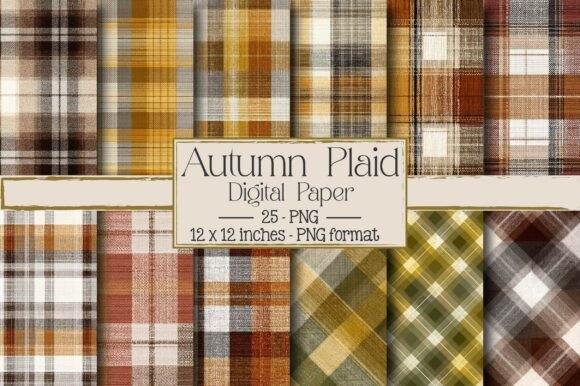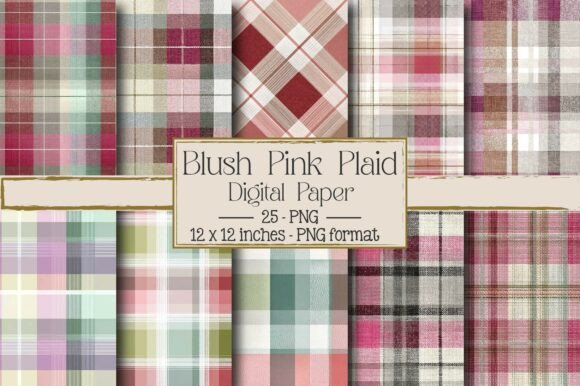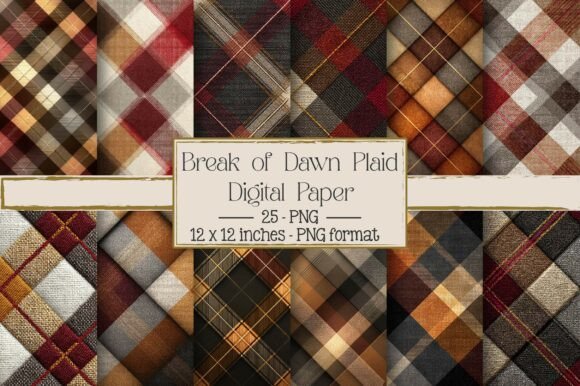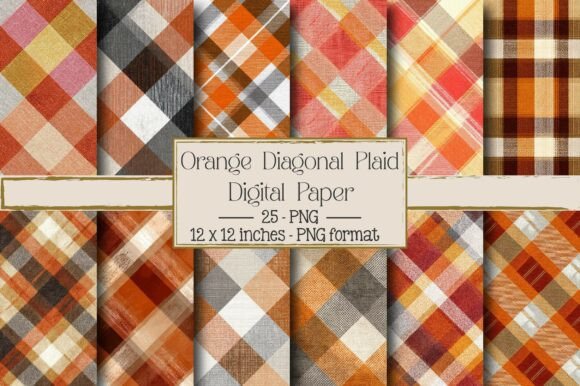
Fall Diagonal Plaid: A Creative Pattern for Autumn Projects
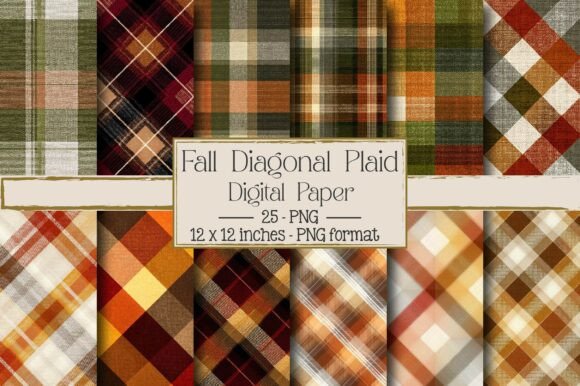
Fall Diagonal Plaid is a versatile and visually appealing design pattern that captures the essence of autumn with its layered, intersecting lines and warm color palettes. This style combines traditional plaid elements with a modern twist—often rotated diagonally to create dynamic movement and depth. It's especially popular among designers, crafters, and entrepreneurs who want to infuse seasonal charm into their work. Whether you're creating custom apparel, home décor, or print-on-demand products, Fall Diagonal Plaid can be an excellent choice for standing out in the fall market.
Why Fall Diagonal Plaid Stands Out
Diagonal plaid patterns are more than just trendy—they offer a unique visual appeal that’s both nostalgic and fresh. The diagonal layout breaks away from the typical horizontal or vertical plaid seen on sweaters and scarves, making it ideal for innovative uses like wall art, stickers, and greeting cards. Its clean lines and structured geometry provide a sense of sophistication while still being cozy and inviting during the colder months.
With the right tools and materials, such as high-resolution PNG files (like the 25 Designs you might find available), this pattern becomes easy to integrate into your workflow. These digital assets often feature a solid color distressed effect, adding subtle texture and character that enhance the autumnal vibe without overwhelming the design.
Choosing the Right Files for Your Project
When working with Fall Diagonal Plaid designs, it's crucial to select the appropriate file format and resolution. Look for files that are at least 300 dpi and sized at 12×12 inches with a transparent background. These specifications ensure crisp, clear prints whether you’re using them for small stickers or large-format posters.
Transparent backgrounds are particularly useful when layering the pattern over other images or textures, allowing for seamless integration into your projects. High-resolution files also give you the freedom to scale the design up or down without losing quality, which is essential for maintaining professional results across various applications.
Common Mistakes When Using Fall Diagonal Plaid
Despite its popularity, many users make avoidable mistakes when selecting or applying Fall Diagonal Plaid designs. One common issue is ignoring the impact of device and printer color variations. Digital previews may not accurately represent how the final printed product will look. Always test colors on your intended output medium before going full-scale.
Another frequent oversight is underestimating the importance of software compatibility. Not all graphic design tools handle transparency and scaling the same way. For example, some basic photo editors may flatten layers or distort the pattern when resizing. Use professional-grade software like Adobe Photoshop, Illustrator, or free alternatives like GIMP or Canva Pro to maintain the integrity of your design.
Overlooking Design Versatility
Some creators stick to the same use case for Fall Diagonal Plaid, missing out on its potential across multiple formats. Don’t limit yourself to T-shirts or mugs. Think outside the box—this pattern works beautifully on scrapbook pages, frame artwork, wall decor, and even promotional cards. The key is to match the design's tone and texture to the purpose of your product.
For instance, if you're designing a greeting card, consider using a softer, muted version of the plaid for a more elegant feel. If you're printing stickers for a lifestyle brand, bolder and brighter versions might resonate better with your audience. Always evaluate the context before finalizing your choice.
How to Avoid Errors and Maximize Quality
To prevent issues with your Fall Diagonal Plaid project, start by downloading the design files carefully. Since these are typically digital instant downloads, make sure you have a stable internet connection and sufficient storage space. Once downloaded, open the files in your preferred design software and check for any inconsistencies in the pattern alignment or color accuracy.
Here’s a quick checklist to help you stay on track:
- Verify resolution: Ensure the image is 300 dpi for sharp prints.
- Test colors: Print a small sample to see how hues appear on paper or fabric.
- Use transparency wisely: Make sure the transparent areas don't interfere with the final product's visibility.
- Scale correctly: Resize using vector-based tools or smart objects to preserve clarity.
Examples of Effective Use
Let’s say you're a small business owner launching a line of autumn-themed T-shirts. You choose a Fall Diagonal Plaid design with a solid red and black palette. Instead of placing the pattern randomly, align it with the shirt’s center seam or sleeve lines for a balanced, stylish look. Adding a small logo or text overlay can further personalize the design and make it stand out in a crowded market.
If you're a blogger creating printable content for a fall scrapbooking guide, the distressed effect in the plaid design adds authenticity. Combine it with hand-drawn illustrations or vintage photos for a cohesive aesthetic. Just remember to keep the text legible and avoid overlapping too many elements, which could clutter the page.
Before You Buy: What to Consider
Before purchasing Fall Diagonal Plaid designs, take a moment to assess your needs. Ask yourself:
- Will I need to modify the pattern? Choose editable formats like PNGs with layers or SVGs if possible.
- What platforms do I plan to use it on? Confirm compatibility with your software and printers.
- Am I targeting a specific audience? Match the plaid’s colors and style to your brand or customer preferences.
- Do I need commercial rights? Ensure the design license allows for resale or mass production if applicable.
These questions help you avoid unnecessary costs and wasted time. Many online marketplaces now clearly list usage rights and technical details, so always read the description thoroughly before buying.
The Impact of Poor Choices
Making hasty decisions about Fall Diagonal Plaid can lead to poor outcomes. For example, using low-resolution files for printed merchandise may result in blurry, unprofessional-looking products. Similarly, failing to account for device and printer color differences could mean customers receive items that look nothing like what was advertised online.
On the flip side, thoughtful application of the pattern can boost your credibility and customer satisfaction. Clear visuals and consistent branding show attention to detail, which is especially important in niches like print-on-demand where competition is fierce.
Final Tips for Success
To wrap things up, here are a few best practices when working with Fall Diagonal Plaid:
- Always preview the pattern on your target surface before printing.
- Consider seasonal variations—some plaid styles may feel outdated quickly.
- Combine the pattern with complementary textures or fonts for a more polished finish.
- Keep your designs simple and focused unless complexity enhances the message.
By understanding the nuances of Fall Diagonal Plaid and preparing accordingly, you can leverage this trend effectively across your creative or business ventures. With 25 different PNG designs to choose from, the possibilities are endless—but only if used thoughtfully.
Remember, the goal is to create something that resonates with your audience and reflects your vision. Take time to explore the options, test them in real-world scenarios, and adjust based on feedback. That’s how great design happens.