Spring and Easter Plaid Pattern: A Creative Guide to Using 25 Designs in Your Projects
As the world awakens from winter's slumber, Spring brings with it a sense of renewal and fresh beginnings. Similarly, Easter, a cherished holiday symbolizing hope and rebirth, is often celebrated with vibrant decorations and creative expressions. One popular design element that captures the essence of both seasons is the Spring and Easter plaid pattern. These patterns are not only visually appealing but also incredibly versatile for a wide range of projects—from crafting to digital art. In this article, we’ll explore what makes these plaid designs special, how they can be used creatively, and why you should consider incorporating them into your next project.
What Is a Spring and Easter Plaid Pattern?
A plaid pattern is characterized by its intersecting horizontal and vertical lines that form a grid-like structure, often in multiple colors. Traditionally associated with Scottish heritage, plaid has evolved into a global design staple, especially during festive occasions like Spring and Easter.
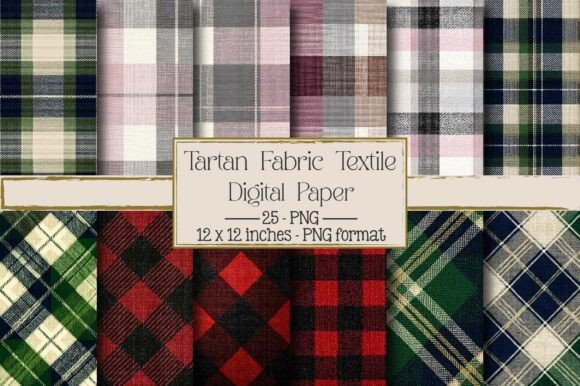
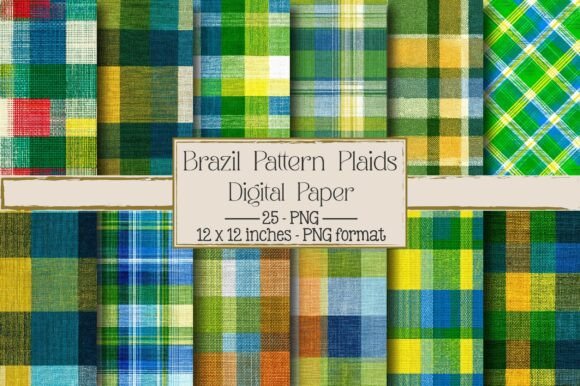
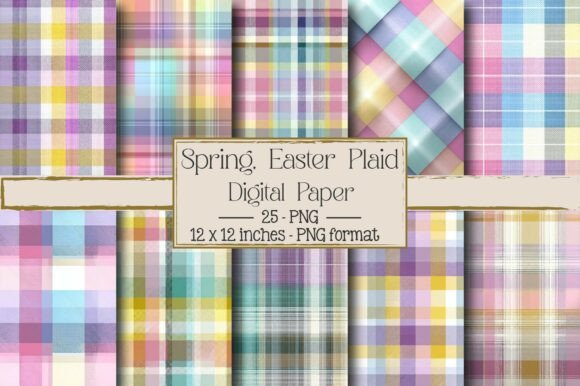
Spring and Easter plaid patterns typically feature soft pastel tones such as lavender, mint green, buttercup yellow, and sky blue—colors that evoke the blooming flowers and clear skies of early spring. These designs often include subtle distressing effects and transparent backgrounds, making them ideal for both modern and vintage-style applications.
The Significance of Color and Design in Spring and Easter Themes
Colors play a crucial role in evoking emotions and setting the tone for any design. During Spring and Easter, the use of plaid in warm or cool color palettes helps create a welcoming and cheerful atmosphere. The distressed effect adds a handcrafted, rustic charm, which many people appreciate when designing personal or artisanal items.
- Pastel Colors: Reflect the gentle transition from winter to spring and are commonly used in Easter celebrations.
- Distressed Effect: Mimics the look of aged or hand-dyed fabric, giving a unique, organic feel to printed materials.
- Transparent Backgrounds: Allow for seamless integration into various design elements, such as overlays or textures.
Why Choose a Spring and Easter Plaid Pattern?
Whether you're an artist, designer, or hobbyist, choosing a Spring and Easter plaid pattern offers several advantages. These patterns are not just decorative; they carry cultural and emotional significance, making them a meaningful choice for seasonal projects.
1. Versatile for Multiple Uses
With high-resolution PNG files (300 dpi, 12×12 inches), these plaid designs are perfect for printing on a variety of physical products. Here are some popular applications:
- T-Shirts: Create custom apparel for Spring events or Easter gatherings using plaid patterns as accents or full prints.
- Stickers: Add a touch of Springtime charm to laptops, water bottles, or kids' school supplies with plaid-themed stickers.
- Cards and Invitations: Use plaid designs to make greeting cards, Easter invitations, or Spring party announcements stand out.
- Wall Decor: Print large plaid patterns onto canvas or paper for wall art that brings warmth and texture to your space.
- Scrapbooking: Incorporate plaid elements into your scrapbook pages to add visual interest and thematic consistency.
2. High-Quality Resolution for Crisp Printing
The 300 dpi resolution ensures that each design remains sharp and detailed when printed. This level of clarity is essential for professional-looking results, whether you're creating merchandise for sale or personalized gifts for loved ones.
3. Transparent Backgrounds for Customization
Many of the plaid patterns come with transparent backgrounds, which gives you the freedom to layer them over other images or textures. This flexibility allows for more creative control and opens up new possibilities in graphic design and digital art.
How to Work with Spring and Easter Plaid Patterns
If you’re new to using plaid patterns in your designs, the process may seem overwhelming at first. However, once you understand the basics, you'll find it’s quite intuitive. Here’s a beginner-friendly guide to help you get started:
Step 1: Download and Organize the Files
After purchasing the set of 25 designs, you’ll receive a digital instant download containing all the PNG files. It’s important to organize these files properly, perhaps by color scheme or design style, to streamline your workflow.
Step 2: Choose the Right Software
You can open and edit these PNG files in most graphic design software, including Adobe Photoshop, Illustrator, Canva, or even free tools like GIMP and Inkscape. These programs allow you to resize, crop, and adjust colors to suit your needs.
Step 3: Resize Without Losing Quality
Thanks to the 12×12 inch size and high resolution, resizing these patterns is easy and won’t compromise their quality. Whether you need a small icon or a large poster, the file format supports scaling without pixelation or blurring.
Step 4: Apply the Pattern to Your Project
Once you’ve selected the right plaid pattern, apply it to your chosen product. For example, if you’re designing a T-shirt, overlay the pattern onto a mock-up of the shirt. If you're working on a card, place the pattern in the background or as a border element.
Step 5: Print and Share
After finalizing your design, print it using high-quality printers or online printing services. You can then sell or share your creations with friends and family. Remember, the colors may vary slightly depending on the device and printer used, so always test-print a sample before going full scale.
Practical Applications in Modern Life and Business
In today’s fast-paced world, creativity plays a vital role in standing out—whether in personal life, business ventures, or educational settings. Let’s take a closer look at how Spring and Easter plaid patterns can fit into different aspects of modern life:
1. Home Decor and Personal Projects
Adding plaid patterns to your home decor can instantly elevate the ambiance of a room. From framed artwork to wall decals, these designs offer a timeless aesthetic that complements both traditional and contemporary interiors. They’re also great for DIY projects like handmade baskets, gift tags, or fabric coasters.
2. Small Business and Merchandise Creation
For small businesses or entrepreneurs, offering seasonal merchandise can boost sales and customer engagement. With the 25 Spring and Easter plaid designs, you can create limited-edition products such as:
- Custom mugs and tumblers
- Phone cases and laptop stickers
- Printable cards and wrapping paper
- Fabric patches for clothing or accessories
These items can be sold online via platforms like Etsy, Shopify, or social media marketplaces, tapping into the demand for personalized and themed products during the Spring and Easter season.
3. Educational and School Projects
Teachers and students can benefit from these plaid patterns in classroom activities. They can be used for bulletin boards, student portfolios, or themed lesson plans. The patterns can also serve as part of art education, helping students learn about textile design, color theory, and historical motifs.
4. Digital Art and Graphic Design
Graphic designers often use plaid patterns as background textures or overlays in web design, branding materials, or marketing collateral. Their versatility means they can adapt to both minimalist and bold design styles. For instance, a muted plaid pattern could enhance a clean website layout, while a bright, colorful one might work well for promotional banners or event posters.
Common Misconceptions About Plaid Patterns
Despite their popularity, there are still some misconceptions about plaid patterns that may prevent people from using them effectively. Let’s clarify a few of these:
Misconception 1: Plaid is Only for Fall or Winter
While plaid is commonly associated with colder seasons, the color palette and design variations can easily align with Spring and Easter themes. By selecting lighter, pastel-colored plaids, you can maintain a fresh and seasonal appearance.
Misconception 2: Plaid is Difficult to Integrate
Some people believe that plaid is too busy or hard to match with other design elements. However, with the right balance and spacing, plaid can complement other visuals beautifully. Try pairing it with solid colors or simple illustrations to avoid clutter.
Misconception 3: You Need Advanced Skills to Use Them
This is far from the truth! The beauty of the provided 25 designs is that they’re pre-made and easy to manipulate. Even beginners can achieve stunning results with basic editing skills and a little creativity.
Where to Use These 25 Designs
Here are some specific ideas for where you can use the 25 Spring and Easter plaid pattern designs:
- Print-on-Demand Services: Upload the patterns to platforms like Printful or Printify to create custom products for resale.
- Seasonal Marketing Materials: Use the patterns in email headers, social media graphics, or flyers for Spring and Easter promotions.
- Event Decorations: Apply them to tablecloths, napkins, or signage for Spring parties, Easter brunches, or baby showers.
- Gift Packaging: Wrap presents or create gift bags using plaid-patterned paper or fabric for a cohesive look.
- Personalized Stationery: Design custom thank-you notes, postcards, or calendars with plaid accents to give as thoughtful gifts.
Conclusion
Spring and Easter plaid patterns are more than just trendy design elements—they’re a bridge between tradition and modernity, simplicity and elegance. Whether you're looking to refresh your home decor, launch a seasonal product line, or simply express your creativity, these 25 high-quality PNG files offer endless opportunities. Their solid color options, distressed effects, and transparent backgrounds make them suitable for both digital and physical applications, empowering users of all skill levels to craft something truly unique.
So why wait? Dive into the world of Spring and Easter plaid patterns and discover how they can transform your next project. With careful selection and creative application, you can bring a touch of Springtime joy and Easter cheer to everything you make.
Thank you for visiting and exploring the potential of these beautiful designs. Happy crafting!