Classic Pattern Plaids: A Timeless Design Element for Modern Creations
Classic pattern plaids have long been a staple in both fashion and design, offering a unique blend of nostalgia and versatility. Whether you're an entrepreneur looking to brand your product line, a blogger designing templates, or a hobbyist creating personalized gifts, plaids bring a touch of warmth and character that resonates with audiences across industries. With the availability of high-quality Classic Pattern Plaid PNG files, incorporating these timeless designs into your workflow has never been easier.
Understanding Classic Pattern Plaids
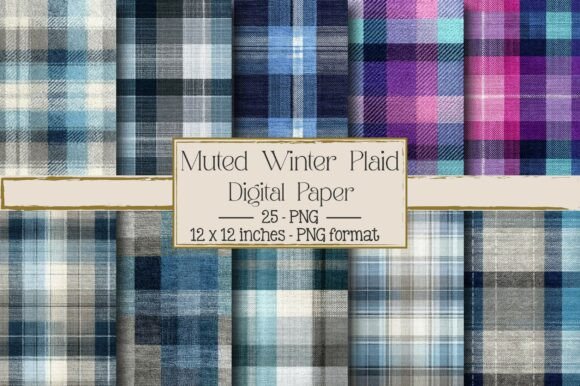
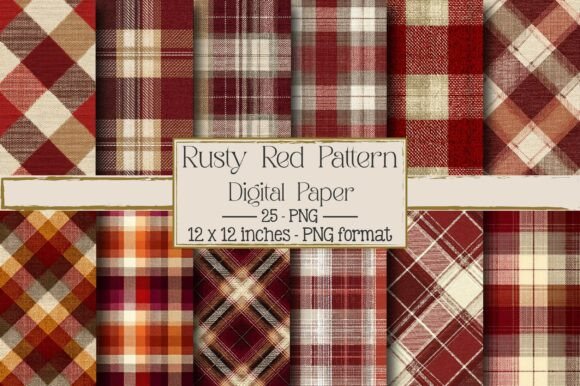
Plaids are woven textile patterns characterized by crisscrossed horizontal and vertical lines forming a grid-like structure. Unlike tartans, which follow specific color schemes tied to heritage and tradition, plaids are more flexible and widely used in modern design. They come in various shades and sizes, making them adaptable for both digital and physical applications.
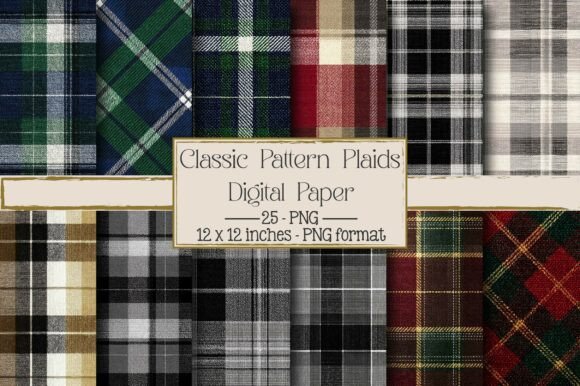
The Classic Pattern Plaids collection includes 25 carefully crafted PNG files, each featuring a solid-color distressed effect. These files are designed at 300 dpi with a transparent background, ensuring crisp, clear prints and seamless integration into layered projects. Their 12×12 inch dimensions make them ideal for resizing without losing quality, whether you're using Adobe Photoshop, Illustrator, Canva, or any other graphic design software.
Where Classic Pattern Plaids Fit In Your Workflow
Incorporating plaid patterns into your creative process can be strategic. For instance, they’re often used in the early stages of product design as placeholders or mood boards to evoke texture and style. Later on, they might become key elements in branding materials, packaging, or promotional content. Here’s how they can fit into different phases:
- Before a Project: Use plaids in brainstorming sessions or concept sketches to explore themes like rustic charm, autumn aesthetics, or vintage-inspired branding.
- During Production: Apply them directly to mockups for visual consistency across T-shirts, stickers, cards, or wall art before finalizing print orders.
- Post-Launch: Reuse the same plaid assets in marketing campaigns, social media posts, or seasonal promotions to maintain brand recognition and continuity.
Real-World Use Cases
Consider a small business owner launching a new line of winter-themed greeting cards. The Classic Pattern Plaids could serve as the base for card backgrounds, adding depth and texture. Because the files are transparent and high-resolution, they can be easily overlaid with text or photographs while maintaining clarity and professionalism.
Freelance designers working on client projects may also find value in these assets. When clients request a “cozy” or “country-style” aesthetic, having pre-made plaid patterns on hand can streamline the design process. Instead of spending time creating custom textures from scratch, you can focus on tailoring the layout, color palette, and typography to meet the client’s needs.
Compatibility and Integration Tips
To ensure smooth integration into your existing tools and workflows, consider the following:
- Layer Management: Since the plaid PNGs come with transparent backgrounds, keep your layers organized when combining them with other graphics or text. This makes it easier to adjust opacity, blending modes, or apply filters later on.
- Software Compatibility: These files work well with most design platforms such as Adobe Creative Suite, CorelDRAW, Figma, and online editors like Canva or Crello. Always check if your chosen platform supports high-resolution PNGs for optimal results.
- Color Matching: While the files offer solid colors, always test them alongside your primary project palette. Some hues may look slightly different depending on screen calibration or printer settings. Printing a sample swatch can help avoid unexpected color shifts.
If you're planning to use these plaids in web design or digital publishing, their transparent nature allows for easy overlay on gradients, photos, or textured backgrounds. However, for print purposes—like T-shirts, stickers, or frame artwork—it's crucial to confirm that your printing service accepts 300 dpi resolution and handles transparent PNGs properly. Many will convert transparency to white automatically, so double-check specifications to prevent misprints.
Efficiency and Consistency in Design Projects
Using Classic Pattern Plaids can significantly boost efficiency, especially in repetitive design tasks. For educators creating classroom posters or scrapbook layouts, having a consistent plaid pattern reinforces visual cohesion across multiple pages or items. Similarly, marketers designing seasonal campaigns for fall or winter can benefit from the thematic appeal of plaids, helping to create a unified look without overcomplicating the design process.
One practical tip is to build a library of commonly used plaid styles within your design folder system. Assign them names based on color, tone, or purpose (e.g., “Red Plaid – Background,” “Blue Distressed Plaid – Text Overlay”) to speed up future access and reduce search time. This level of organization becomes particularly valuable when managing large-scale projects or tight deadlines.
Workflow Example: Scrapbooking with Plaids
Imagine you're preparing a holiday-themed scrapbook. You want a warm, homey feel throughout the pages. Here’s how you might integrate Classic Pattern Plaids into your workflow:
- Start by selecting a few plaid patterns from the 25 designs that match your theme (e.g., red and green for Christmas, brown and beige for Thanksgiving).
- Use them as background layers for photo mats, journaling boxes, or decorative borders.
- Apply subtle distress effects manually via brush tools or layer styles to enhance the vintage look further.
- Export your final pages at high resolution and send them to a professional scrapbook printer or prepare them for digital sharing.
This approach not only saves time but also ensures a cohesive look without requiring advanced illustration skills. The distressed effect adds just the right amount of texture to give printed pages a tactile, artisanal feel.
Quality Control and Device Variability
When working with digital downloads like Classic Pattern Plaids, one important factor is device variability. Colors displayed on your monitor may appear differently on another person’s screen or in print. This isn’t a flaw in the design files but rather a common challenge in digital asset usage.
To mitigate this issue, always preview your design on multiple devices before sending it for production. If possible, request a printed proof from your vendor to verify how the plaid looks in reality. This helps maintain quality control and ensures that the final product aligns with your creative vision.
Long-Term Use and Asset Storage
Because these plaid patterns are digital and reusable, storing them effectively is essential. Keep the PNG files in a dedicated folder labeled clearly for easy retrieval. Consider compressing the folder for backup or cloud storage, especially if you plan to reference them frequently over time.
For those who rely on plaid motifs seasonally—such as retailers during the holidays or bloggers writing about autumn trends—it’s wise to organize the files by theme or occasion. This way, you can quickly pull out the appropriate plaid when needed, instead of sifting through unrelated design elements.
Collaboration and Team Use
If you're part of a team or collaborate with others regularly, sharing Classic Pattern Plaids becomes simpler when you know how to handle them. Since they’re in a universal format (PNG), you can email them directly or upload them to shared drives like Google Drive or Dropbox. Make sure all collaborators understand the file specs and intended use cases to avoid confusion or misuse.
You might also embed a few plaid examples into a shared style guide or design system document. This ensures everyone involved in the project uses the same pattern consistently, maintaining brand integrity and visual harmony.
Conclusion
Classic Pattern Plaids offer a reliable and stylish option for creators seeking to add a timeless element to their work. Whether you're designing for print or digital use, their high resolution and transparent backgrounds provide flexibility and ease of application. By understanding where and how to implement these patterns in your workflow, you can enhance productivity while delivering polished, professional results.
As a digital instant download, these plaid assets allow you to begin working immediately. Just remember to account for device and printer differences when choosing colors and preparing for output. With proper preparation and thoughtful integration, Classic Pattern Plaids can become a valuable resource in your creative toolkit, supporting everything from personal hobbies to commercial ventures.