Blue Pattern Plaids: A Practical Guide for Designers and Creators
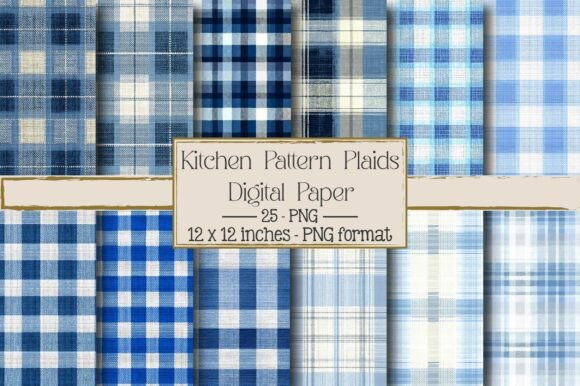
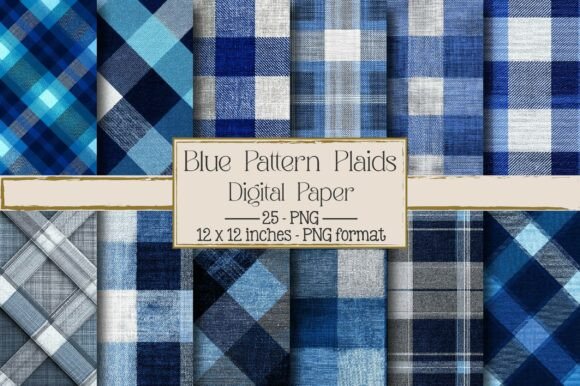
Blue pattern plaids are a popular design element that combines the classic appeal of plaid with the versatility of digital assets. These patterns typically feature intersecting horizontal and vertical lines in shades of blue, often layered with subtle textures or distressed effects to create visual depth and character. They are commonly used in graphic design, craft projects, and product customization due to their timeless aesthetic and adaptability.
Why Blue Pattern Plaids Are Gaining Popularity
The resurgence of retro and rustic themes in modern design has contributed to the growing interest in blue pattern plaids. Their subdued yet eye-catching nature makes them suitable for both professional and personal use. Many designers appreciate the ability to customize these patterns to match specific branding needs or creative visions. Additionally, the availability of high-quality digital files, such as PNGs with transparent backgrounds, allows for seamless integration into various media formats without compromising quality.
Key Benefits of Using Blue Pattern Plaids
- High-resolution format: Files provided at 300 dpi and sized at 12×12 inches ensure sharp details and clarity when printed on physical items like T-shirts, stickers, and wall decor.
- Transparent background: The transparent PNG format enables easy layering and blending within design software, making it ideal for creating overlays, mockups, or custom graphics.
- Distressed effect: The inclusion of a solid color distressed effect adds a vintage or handcrafted appearance, enhancing the tactile feel of digital designs.
- Easy to resize: Compatibility with major design tools ensures flexibility in adjusting size and scale while maintaining image integrity.
- Instant access: As a digital instant download, users can quickly obtain and begin using the designs without waiting for physical products.
Considerations Before Choosing Blue Pattern Plaids
While blue pattern plaids offer numerous advantages, they may not be the best fit for every project. One important factor to consider is the intended application. For example, if your design requires bold, contrasting colors or intricate details, the muted tones and repetitive structure of plaid may not meet your needs. It's also essential to understand that the final output might differ slightly depending on the device or printer used, so testing the design before large-scale production is advisable.
Another consideration is the context in which the pattern will be used. Blue plaids tend to evoke a sense of nostalgia and simplicity, which works well for certain styles but could clash with more modern or minimalist aesthetics. If you're working on a project that demands a unique or abstract look, you may want to explore alternative pattern types such as geometric, floral, or abstract art motifs.
Situations Where Blue Pattern Plaids Excel
Blue pattern plaids are particularly effective in the following scenarios:
- Apparel and textile printing: Their soft and versatile color palette pairs well with a wide range of fabric types and garment styles, especially casual wear like hoodies, sweaters, and tote bags.
- Home decor: When applied to wall art, frames, or scrapbook pages, these patterns add a cozy, lived-in charm that complements farmhouse, bohemian, and cottagecore themes.
- Craft and stationery projects: Whether designing greeting cards, stickers, or DIY kits, the plaid design offers a clean and appealing texture that appeals to both adults and children.
- Brand identity elements: For businesses aiming to convey a traditional or artisanal vibe, incorporating blue plaids into packaging or promotional materials can reinforce brand personality effectively.
When Alternatives Might Be Better
Despite their popularity, there are instances where other design options may serve better. For example:
- If your target audience prefers sleek, contemporary visuals over traditional ones, plaid patterns might appear outdated or overly busy.
- In situations requiring a neutral background, the visible grid-like structure of plaids may distract from the main content or artwork.
- For large-scale commercial printing, it’s crucial to confirm compatibility with your printer's specifications and ink types to avoid unexpected results.
How to Use Blue Pattern Plaids Effectively
To make the most of blue pattern plaids, start by assessing the purpose of your design. Ask yourself whether the pattern supports the message or enhances the overall look. Here are some practical tips for implementation:
- Layer wisely: Use the transparent background to place the plaid behind text, logos, or images. Adjust opacity levels to balance visibility and subtlety.
- Test prints: Always print a small sample first to evaluate how the distressed effect translates onto different surfaces and under various lighting conditions.
- Stay consistent: Choose one or two plaid designs to maintain visual harmony across all related materials, such as social media templates or packaging.
- Combine with complementary elements: Pair the blue plaid with earthy tones, wood textures, or vintage fonts to enhance its rustic appeal and create a cohesive theme.
Tools and Software for Working with Blue Pattern Plaids
Since the design files are in PNG format, they can be easily manipulated using common graphic design software. Programs like Adobe Photoshop, Illustrator, Canva, and even Microsoft PowerPoint support PNG editing, allowing users to resize, recolor, or apply additional effects as needed. Familiarity with basic image editing techniques can help maximize the potential of these digital assets.
Evaluating Your Needs and Goals
Before committing to blue pattern plaids, take time to reflect on your project requirements. Consider questions such as:
- What is the primary goal of my design? Is it to stand out or to blend in subtly?
- Who is the intended audience? Will they find the pattern appealing or distracting?
- Do I need this pattern for a single-use item or for multiple applications across different platforms?
- Am I looking for something nostalgic, or do I prefer a more modern design language?
Answering these questions can guide you toward the right choice. If you’re creating merchandise for a fall-themed event, blue plaids could be an excellent option. However, if your focus is on tech-related products or futuristic branding, a more avant-garde design might align better with your vision.
Expectations and Limitations
It's important to set realistic expectations when working with digital plaid patterns. While the files themselves are high-quality and professionally crafted, the final outcome depends heavily on the printing process and material used. Some surfaces may absorb or reflect ink differently, altering the perceived color and texture. Additionally, since this is a digital-only purchase, no physical samples are included. Users should ensure they have reliable preview methods before proceeding with mass production.
Final Thoughts on Blue Pattern Plaids
Blue pattern plaids offer a compelling combination of style and functionality for creators and designers seeking to incorporate a touch of tradition into their work. With 25 distinct designs available in PNG format, they provide ample opportunities for experimentation and customization. However, their suitability ultimately depends on your specific goals and the context of your project. By carefully evaluating your needs and considering the broader design landscape, you can determine whether blue pattern plaids are the right choice for your next creation.