Asymmetrical Checkered Design: A Creative Approach to Modern Patterns
Design plays a pivotal role in how we express ourselves through products, from fashion to home decor. Among the many patterns available, asymmetrical checkered design stands out for its unique blend of structure and unpredictability. Unlike traditional symmetrical checks that follow rigid, mirrored repetitions, asymmetrical checkered designs introduce variation and visual interest by breaking the pattern’s symmetry. This makes them ideal for adding a modern, artistic flair to any project without sacrificing the clean aesthetic of a checkerboard motif.
Understanding Asymmetrical Checkered Design
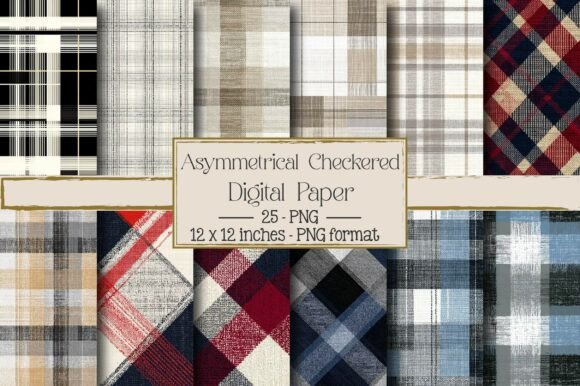
An asymmetrical checkered design is a type of pattern that mimics the look of a classic checkerboard but with deliberate irregularities in placement or size. These variations create a sense of movement and depth, making the design more dynamic and visually engaging. It’s especially popular in contemporary graphic design, textile art, and digital illustrations where creativity meets functionality.
One key aspect of this design style is its ability to challenge the conventional while maintaining a recognizable form. The use of contrasting colors and uneven spacing allows for a wide range of interpretations and applications, giving designers the freedom to experiment while still achieving professional results.
Common Challenges and Goals When Using Asymmetrical Checkered Designs
Many creators face challenges when trying to incorporate non-traditional patterns into their work. For instance:
- Lack of inspiration: Finding the right balance between chaos and order can be difficult when working with asymmetry.
- Technical limitations: Some software or printing methods may not support complex transparent backgrounds or high-resolution files effectively.
- Consistency across media: Ensuring the design looks good on both digital screens and physical products like T-shirts or wall art requires careful planning.
- Time constraints: Creating original asymmetrical checkered designs from scratch can be time-consuming, especially for those new to pattern design.
Despite these hurdles, the goal remains clear: to deliver a design that is both aesthetically pleasing and practical for real-world use. Whether you're an artist, a small business owner, or a DIY enthusiast, finding the right tools and resources is essential to achieving your vision efficiently.
How Asymmetrical Checkered Design Can Help You Succeed
The beauty of asymmetrical checkered design lies in its versatility. Because it breaks away from strict symmetry, it can add personality to otherwise generic projects. This design approach is particularly useful for:
- Creating standout branding elements: Use the design as part of logos, labels, or promotional materials to differentiate your brand.
- Enhancing visual storytelling: In scrapbooks or frame artwork, the pattern can guide the viewer’s eye and emphasize key content areas.
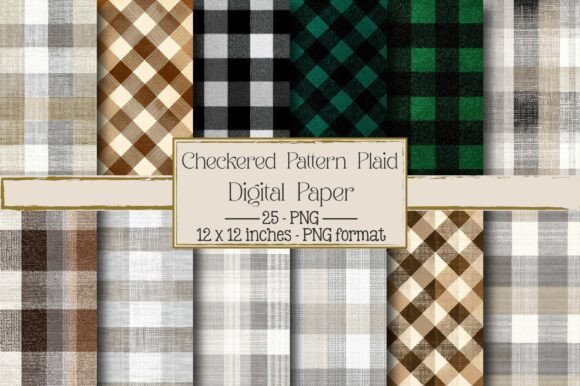
- Adding texture and contrast: The distressed effect common in many asymmetrical checkered designs gives printed items a weathered, vintage feel that resonates with certain aesthetics.
- Adapting to different formats: Since these designs are often created with transparency and high resolution (such as 300 dpi at 12×12 inches), they scale well for various uses—from stickers to large wall murals.
By using pre-made PNG files of asymmetrical checkered designs, you can bypass the learning curve associated with creating such intricate patterns manually. These files come ready to use, allowing you to focus on implementation rather than design theory.
Practical Applications and Outcomes
There are countless ways to utilize asymmetrical checkered design in creative projects. Here are some examples:
- T-shirt prints: The pattern adds a bold, edgy look that can appeal to fashion-forward audiences.
- Wall art and decor: Large-scale prints bring a modern twist to living spaces, especially when paired with minimalist color schemes.
- Stickers and decals: Perfect for personalizing laptops, water bottles, or notebooks with a subtle yet striking background.
- Scrapbooking and card-making: The design can serve as a decorative border or base layer to elevate the overall appearance of handmade pages.
- Digital templates: Use the transparent background versions as overlays for websites, social media graphics, or packaging mockups.
Thanks to their high resolution and transparent format, these PNGs offer flexibility. You can easily resize them using design software like Adobe Photoshop, Illustrator, or even free tools like Canva or GIMP. This ensures your final product maintains clarity and professionalism regardless of the medium.
Examples and Recommendations for Use
Let’s say you’re designing custom stickers for a boutique. Instead of going with a basic grid pattern, using an asymmetrical checkered design could make your brand stand out instantly. The same goes for T-shirt printing—especially if you want something that feels fresh and not overused.
If you’re into home décor, consider printing one of these designs onto canvas or fabric. The distressed effect adds character, and the lack of symmetry prevents it from feeling too structured or stiff. Another great idea is to overlay the pattern on top of photos or text for a layered, multidimensional look in your digital marketing materials.
For scrapbook enthusiasts, asymmetrical checkered designs provide an excellent foundation for collages. They allow other elements—like photographs, handwritten notes, or embellishments—to shine while maintaining a cohesive layout. Choose a solid color version for a cleaner look or go for a multicolored option to inject energy into your page.
Considerations for Implementation
When working with asymmetrical checkered design files, there are several considerations to keep in mind:
- Device and printer variability: Colors may appear differently depending on the screen or printer used. Always test print samples before mass production.
- Software compatibility: Ensure the design tool you choose supports transparent PNG files and high-resolution editing. Most professional software does, but beginners might need guidance.
- Layering and blending: Since these designs are transparent, they can be layered with other textures or images. Experiment with opacity settings and blending modes for unique effects.
- Printing surface suitability: While versatile, some surfaces may require specific treatments to ensure the design adheres properly. Always check guidelines for the material you plan to use.
Additionally, think about how the pattern will interact with the rest of your design. Will it dominate the space, or act as a subtle background? The answer depends on your goals and the message you want to convey.
Who Benefits Most from Asymmetrical Checkered Design?
Although asymmetrical checkered design appeals to a broad audience, certain users find it especially valuable:
- Graphic designers who want to offer clients a modern alternative to traditional patterns.
- Entrepreneurs looking to personalize products quickly and affordably, such as custom cards or stickers.
- Crafters and hobbyists interested in elevating their DIY projects with minimal effort.
- Art teachers seeking educational materials that demonstrate the principles of asymmetry and design balance.
Each user may have a different approach. A designer might tweak the pattern's colors or apply filters to match a brand identity, while a crafter could use it as-is for a quick yet stylish addition to a gift box or journal cover.
Why Choose Digital Instant Download Files?
Opting for a digital instant download package means you get everything you need right away, without waiting for shipping or dealing with logistics. With 25 high-quality PNG files included, you can explore multiple variations and pick the ones that best suit your needs. This is particularly beneficial for those managing tight deadlines or working on seasonal campaigns.
Moreover, since no physical item is sent, you avoid unnecessary packaging waste and reduce costs associated with inventory management. It's a sustainable and efficient solution for modern creatives who value speed and convenience.
Final Thoughts on Asymmetrical Checkered Design
In summary, asymmetrical checkered design offers a compelling way to break the mold while maintaining the timeless appeal of a checkerboard pattern. Whether you're aiming for a trendy look or a nostalgic vibe, these designs can help you achieve it. By choosing a package that includes solid color options with a distressed effect, you gain access to a diverse set of tools that can enhance your creative output across multiple platforms.
Remember, the key to successful implementation lies in understanding your project's needs and selecting the right pattern accordingly. With the right software and a bit of experimentation, you can seamlessly integrate these designs into your workflow and bring your ideas to life with confidence and precision.